Why is early detection important?
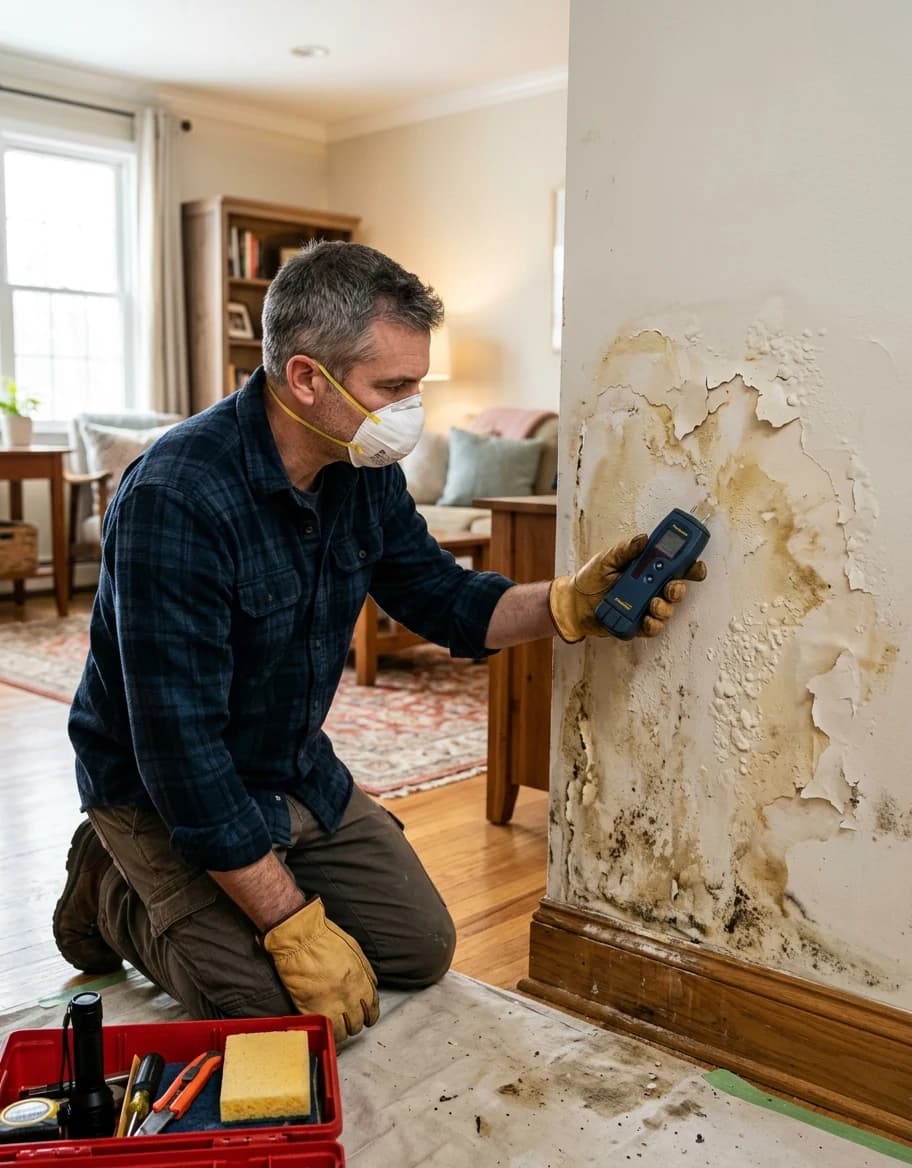
Early detection of water damage is crucial as it helps prevent further damage and costly repairs. In Ho-Ho-Kus, where humidity levels can fluctuate, unnoticed water damage can lead to mold growth and structural issues. Regularly inspect your home, focusing on areas prone to moisture, such as basements and attics.
Water damage doesn't just risk the structural integrity of your home; it can also lead to health problems if mold begins to grow. Mold thrives in damp environments and can spread rapidly, causing allergic reactions and respiratory issues. Early detection allows for prompt intervention, reducing the likelihood of mold proliferation. Moreover, addressing water damage early can prevent long-term issues such as wood rot, which can compromise the safety of your home. Scheduling regular inspections, especially after heavy rainfalls or snow melts, can help you catch problems early. Consider creating a checklist of areas to inspect, including under sinks, around appliances like dishwashers and washing machines, and near windows and doors where leaks might occur.
Water damage doesn't just risk the structural integrity of your home; it can also lead to health problems if mold begins to grow. Mold thrives in damp environments and can spread rapidly, causing allergic reactions and respiratory issues. Early detection allows for prompt intervention, reducing the likelihood of mold proliferation. Moreover, addressing water damage early can prevent long-term issues such as wood rot, which can compromise the safety of your home. Scheduling regular inspections, especially after heavy rainfalls or snow melts, can help you catch problems early. Consider creating a checklist of areas to inspect, including under sinks, around appliances like dishwashers and washing machines, and near windows and doors where leaks might occur.
What are the visible signs of water damage?
Visible signs of water damage include discoloration on walls or ceilings, peeling paint, and warped flooring. If you notice any of these signs, it's important to investigate further. For a comprehensive inspection, consider consulting a professional service provider. Learn more about our services.
Discoloration often appears as brownish or yellowish stains on walls and ceilings, indicating that water is seeping through. Peeling paint or wallpaper can occur when moisture causes the adhesive to lose its effectiveness. In extreme cases, you might notice bubbles forming under the paint or wallpaper. Warped flooring, such as buckled hardwood or cracked tiles, can signal that water has penetrated the subflooring. Additionally, look for signs of swelling or bubbling in your cabinets, particularly those under sinks or near water fixtures. These signs suggest that water has been present for some time, and immediate action is necessary to prevent further damage.
Discoloration often appears as brownish or yellowish stains on walls and ceilings, indicating that water is seeping through. Peeling paint or wallpaper can occur when moisture causes the adhesive to lose its effectiveness. In extreme cases, you might notice bubbles forming under the paint or wallpaper. Warped flooring, such as buckled hardwood or cracked tiles, can signal that water has penetrated the subflooring. Additionally, look for signs of swelling or bubbling in your cabinets, particularly those under sinks or near water fixtures. These signs suggest that water has been present for some time, and immediate action is necessary to prevent further damage.
How can you detect hidden water damage?
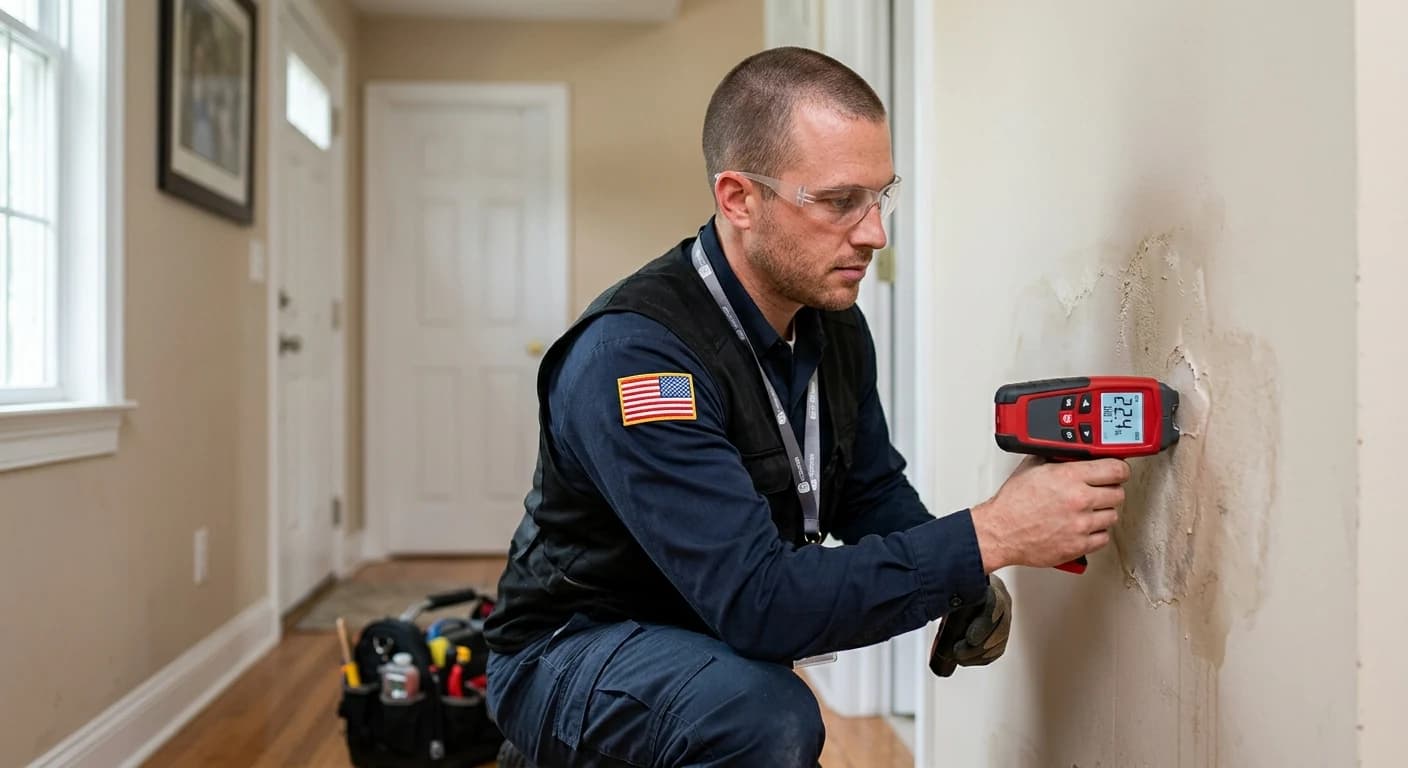
Hidden water damage can be detected by checking for musty odors and increased humidity in specific areas. Use moisture detectors and keep an eye out for any unusual increases in your water bill, which could indicate a hidden leak. Acting promptly on these signs can prevent further issues and maintain your home's integrity.
Musty odors are often a tell-tale sign of mold or mildew, which thrive in damp, enclosed environments. If you notice such odors in your home, particularly in areas like basements, crawl spaces, or behind walls, it may indicate hidden water damage. Increased humidity can also be a clue; if rooms feel unusually damp or you notice condensation on windows and walls, it's worth investigating further.
Moisture detectors are useful tools for identifying hidden water damage. These devices can measure the moisture content in building materials and help pinpoint areas of concern. They are especially useful for checking around plumbing fixtures, in attics or basements, and behind appliances.
Monitoring your water bill is another effective strategy. A sudden spike in your bill could suggest a leak within your home's plumbing system. Conduct regular checks of your plumbing fixtures and look for any signs of leakage, such as water pooling under sinks or around toilets. If you suspect hidden damage, it may be worth investing in a professional assessment to evaluate the extent of the issue and recommend appropriate repairs.
Musty odors are often a tell-tale sign of mold or mildew, which thrive in damp, enclosed environments. If you notice such odors in your home, particularly in areas like basements, crawl spaces, or behind walls, it may indicate hidden water damage. Increased humidity can also be a clue; if rooms feel unusually damp or you notice condensation on windows and walls, it's worth investigating further.
Moisture detectors are useful tools for identifying hidden water damage. These devices can measure the moisture content in building materials and help pinpoint areas of concern. They are especially useful for checking around plumbing fixtures, in attics or basements, and behind appliances.
Monitoring your water bill is another effective strategy. A sudden spike in your bill could suggest a leak within your home's plumbing system. Conduct regular checks of your plumbing fixtures and look for any signs of leakage, such as water pooling under sinks or around toilets. If you suspect hidden damage, it may be worth investing in a professional assessment to evaluate the extent of the issue and recommend appropriate repairs.
What are the long-term consequences of untreated water damage?
Untreated water damage can lead to a host of long-term issues that affect both the structure and the inhabitants of a home. Over time, water can weaken the structural components of your house, such as the foundation, beams, and drywall. This structural deterioration can result in significant safety hazards, including the risk of collapse in severe cases. Additionally, persistent moisture creates an ideal environment for mold and mildew to flourish, which can spread rapidly throughout your home. Mold growth not only damages surfaces but also poses serious health risks, particularly for individuals with allergies or respiratory conditions.
Beyond health and safety concerns, untreated water damage can also depreciate the value of your property. Potential buyers are likely to be deterred by visible signs of damage or the need for extensive repairs, making it harder to sell your home at a desirable price. Furthermore, prolonged exposure to moisture can lead to electrical hazards, as water can corrode wiring and increase the risk of short circuits or fires. To avoid these long-term consequences, it's crucial to address any signs of water damage promptly and thoroughly. Regular maintenance and inspections can help identify and mitigate issues before they escalate, ensuring the safety and longevity of your home.
Beyond health and safety concerns, untreated water damage can also depreciate the value of your property. Potential buyers are likely to be deterred by visible signs of damage or the need for extensive repairs, making it harder to sell your home at a desirable price. Furthermore, prolonged exposure to moisture can lead to electrical hazards, as water can corrode wiring and increase the risk of short circuits or fires. To avoid these long-term consequences, it's crucial to address any signs of water damage promptly and thoroughly. Regular maintenance and inspections can help identify and mitigate issues before they escalate, ensuring the safety and longevity of your home.
Practical steps to prevent water damage
Preventing water damage involves a combination of regular maintenance, timely repairs, and proactive measures. Start by inspecting your home's roof and gutters to ensure they are in good condition and free of debris. Clogged gutters can cause water to overflow and seep into your home's foundation or walls. Regularly clean and maintain these systems, especially before and after heavy storms. Similarly, check for any missing or damaged shingles on your roof that could allow water to penetrate.
Inside your home, focus on areas most susceptible to leaks, such as bathrooms, kitchens, and basements. Ensure that all plumbing fixtures are properly sealed and that caulking around bathtubs, showers, and sinks is intact. Installing water leak detectors near appliances and plumbing can provide early alerts to potential issues, allowing for swift intervention. Additionally, consider installing a sump pump in your basement to prevent flooding during heavy rains.
Regularly monitor humidity levels in your home using a hygrometer, and use dehumidifiers in damp areas to keep moisture levels in check. Educating family members about the importance of early detection and encouraging them to report any unusual signs can also be effective in preventing water damage. By taking these practical steps, you can significantly reduce the risk of water damage and protect your home from costly repairs.
Inside your home, focus on areas most susceptible to leaks, such as bathrooms, kitchens, and basements. Ensure that all plumbing fixtures are properly sealed and that caulking around bathtubs, showers, and sinks is intact. Installing water leak detectors near appliances and plumbing can provide early alerts to potential issues, allowing for swift intervention. Additionally, consider installing a sump pump in your basement to prevent flooding during heavy rains.
Regularly monitor humidity levels in your home using a hygrometer, and use dehumidifiers in damp areas to keep moisture levels in check. Educating family members about the importance of early detection and encouraging them to report any unusual signs can also be effective in preventing water damage. By taking these practical steps, you can significantly reduce the risk of water damage and protect your home from costly repairs.
How to Conduct a Thorough Water Damage Inspection
Conducting a thorough water damage inspection requires a systematic approach, focusing on both visible and hidden signs. Start by examining the exterior of your home, looking for cracks in the foundation or gaps around windows and doors that could allow water ingress. Check the roof for damaged shingles or flashing, which can lead to leaks during rainstorms. Pay close attention to the gutters and downspouts, ensuring they are clear of debris and directing water away from the home.
Inside, begin your inspection in the basement and attic, as these areas are often the first to show signs of water damage. Look for water stains on walls, ceilings, and floors, as well as any signs of mold growth or musty odors. Use a moisture meter to assess the moisture levels in walls and floors, especially in rooms with plumbing fixtures. Move through the house room by room, checking under sinks, around toilets, and behind appliances like refrigerators and washing machines.
Don't overlook less obvious areas, such as behind wallpaper or under carpet, where moisture can accumulate unnoticed. Listen for the sound of dripping or running water, which could indicate a hidden leak. Finally, review your water bill for any unexplained increases, as this could be a sign of a leak. By conducting regular, comprehensive inspections, you can identify and address water damage issues before they escalate into major problems.
Inside, begin your inspection in the basement and attic, as these areas are often the first to show signs of water damage. Look for water stains on walls, ceilings, and floors, as well as any signs of mold growth or musty odors. Use a moisture meter to assess the moisture levels in walls and floors, especially in rooms with plumbing fixtures. Move through the house room by room, checking under sinks, around toilets, and behind appliances like refrigerators and washing machines.
Don't overlook less obvious areas, such as behind wallpaper or under carpet, where moisture can accumulate unnoticed. Listen for the sound of dripping or running water, which could indicate a hidden leak. Finally, review your water bill for any unexplained increases, as this could be a sign of a leak. By conducting regular, comprehensive inspections, you can identify and address water damage issues before they escalate into major problems.
When to Call a Professional for Water Damage Assessment
Knowing when to call a professional for a water damage assessment can save you time and prevent further damage. While minor issues like small leaks or surface water stains can often be handled with DIY methods, more extensive damage requires professional expertise. If you notice persistent musty odors, visible mold growth, or significant structural damage, it's time to call in the experts.
Professional water damage restoration services in NJ, including Ho-Ho-Kus, offer specialized equipment and expertise to assess and remediate damage effectively. They can perform detailed moisture mapping to identify hidden water pockets and use advanced drying techniques to prevent mold growth. Professionals also have the training to handle hazardous materials, such as mold and contaminated water, safely and efficiently.
Consider calling a professional if you're dealing with water damage caused by sewage backups or flooding, as these situations pose health risks and require specialized cleanup procedures. Additionally, if your home has experienced water damage due to a natural disaster, insurance claims may necessitate a professional assessment to ensure all damage is documented and repaired. By enlisting professional help, you can ensure that all aspects of water damage are addressed comprehensively, protecting your home's structural integrity and your family's health.
Professional water damage restoration services in NJ, including Ho-Ho-Kus, offer specialized equipment and expertise to assess and remediate damage effectively. They can perform detailed moisture mapping to identify hidden water pockets and use advanced drying techniques to prevent mold growth. Professionals also have the training to handle hazardous materials, such as mold and contaminated water, safely and efficiently.
Consider calling a professional if you're dealing with water damage caused by sewage backups or flooding, as these situations pose health risks and require specialized cleanup procedures. Additionally, if your home has experienced water damage due to a natural disaster, insurance claims may necessitate a professional assessment to ensure all damage is documented and repaired. By enlisting professional help, you can ensure that all aspects of water damage are addressed comprehensively, protecting your home's structural integrity and your family's health.